June 4, 2026
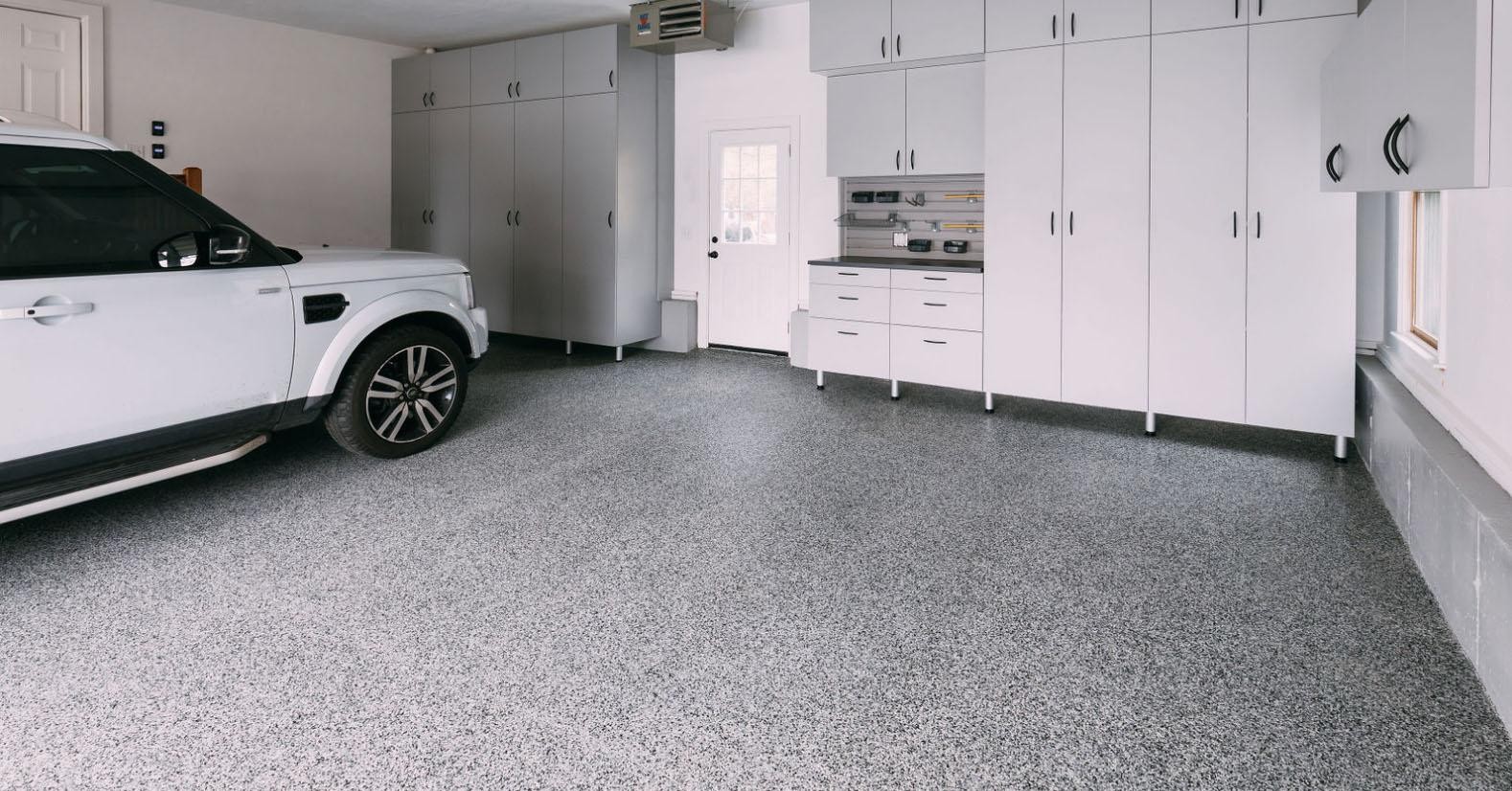
If you're considering upgrading your garage floor, you've likely come across two common options: epoxy and polyurea coatings. While both can improve the appearance of concrete, there are significant differences in durability, performance, and long-term value—especially in Nebraska's climate.
At Kona Coatings, we specialize in premium polyurea and polyaspartic coating systems because they consistently outperform traditional epoxy systems in residential and commercial applications.
Epoxy has been used for decades as a concrete coating solution. It consists of a resin and hardener that chemically bond to form a protective surface.
While epoxy can be suitable for certain applications, homeowners should understand that not all coating systems perform equally over time.
Polyurea is a high-performance coating technology commonly used in commercial, industrial, and demanding residential environments. When paired with a polyaspartic topcoat, it creates a durable system designed to withstand heavy use, temperature swings, and chemical exposure.
For Nebraska homeowners dealing with road salt, snow, and seasonal temperature swings, these advantages can be significant.
These conditions can accelerate wear on unprotected concrete and expose weaknesses in lower-quality coating systems.
A properly installed polyurea and polyaspartic system is specifically designed to withstand these challenges while maintaining its appearance and performance.
Both epoxy and polyurea systems can incorporate decorative vinyl flakes to create a clean, attractive finish.
Popular styles include:
The result is a floor that is easier to clean, more resistant to staining, and dramatically more attractive than bare concrete.
While epoxy may have a lower initial cost, many homeowners ultimately choose polyurea because of its durability, longevity, and performance.
When evaluating a floor coating, it's important to consider:
A quality coating should be viewed as a long-term investment in your home rather than simply the lowest-cost option.
For most Omaha garages, basements, patios, and commercial spaces, a professionally installed polyurea basecoat with a polyaspartic topcoat provides the best combination of durability, appearance, and long-term value.
At Kona Coatings, we use premium coating systems designed to withstand Nebraska's demanding climate while delivering a clean, modern finish that homeowners can enjoy for years to come.
Whether you're exploring options or ready for a quote, our team can help you determine the best coating solution for your space.
Contact Kona Coatings today for a free estimate and discover why more homeowners are choosing premium concrete coating systems over traditional floor paint and epoxy alternatives.